
Why Easy Batch Cook Recipes Are the Smartest Thing You Can Do This Weekend
Easy batch cook recipes are large-scale meals you cook once, then eat all week (or month). Here are the best types to start with:
- Chili and stews – freeze for up to 3 months, reheat in minutes
- Bolognese and meat sauces – versatile base for pasta, bakes, and more
- Batch-cooked chicken breast – ready in 30 minutes, use in 10+ different meals
- Lentil and bean soups – cheap, nutritious, freeze perfectly
- Meatballs – sheet-pan method makes dozens at once
- Pasta bakes and casseroles – portion and freeze before or after baking
Picture this: it’s 7pm on a Wednesday. You just got home from a brutal day at work. The last thing you want to do is cook.
That’s exactly the problem batch cooking solves.
Instead of defaulting to expensive takeout or skipping dinner entirely, you open the fridge and find a ready-made meal waiting for you. No stress. No wasted money. Just food.
Batch cooking – cooking large quantities of food in one session to eat over multiple days – can save you time every evening, cut your grocery bill, and dramatically reduce food waste. One popular 30-day batch cooking plan requires just two prep days and one longer cooking day to stock meals for an entire month.
The numbers back it up too. A single big-batch chili recipe can feed 20 people for just 325 calories per serving. A tray of batch-cooked chicken breasts (6-8 pounds) yields six ready-to-go meals that last up to three months in the freezer. A slow cooker beef goulash gives you eight portions that keep for up to five days in the fridge or three months frozen.
Whether you’re cooking for a family or just yourself, one focused cooking session on the weekend can make every weeknight feel effortless.
Essential Tools and Equipment for Successful Batch Cooking
Before we dive into the delicious recipes, we need to make sure our “test kitchen” is properly equipped. You don’t need a professional setup, but having the right gear makes the process of preparing easy batch cook recipes much smoother and prevents “meal prep burnout.”
The Heavy Hitters: Pots and Pans
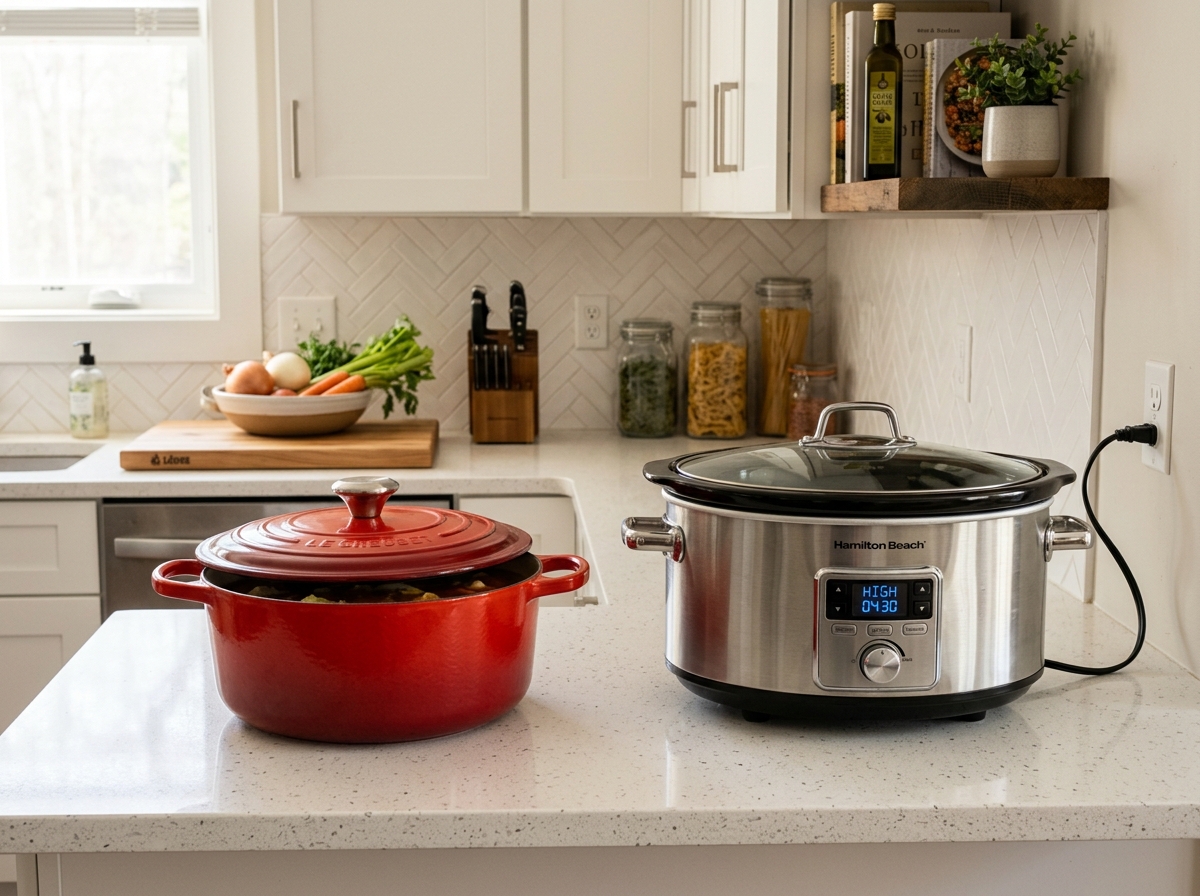
To cook for a crowd (or your future self), you need volume. A 6-quart slow cooker or a heavy-bottomed Dutch oven is essential for stews and curries. If you’re making a massive amount of stew, a 16 by 12-inch roasting pan can actually be used on the stovetop across two burners to brown vegetables and then go straight into the oven. This “one-pan” approach is a game-changer for cleaning up.
Storage Solutions: Containers and Bags
The secret to successful batch cooking isn’t just the cooking—it’s the storage. We recommend investing in high-quality glass containers. They stack neatly, don’t stain from tomato sauce, and can often go straight from the fridge to the microwave.
For freezer storage, high-quality freezer bags are your best friend for saving space. Pro tip: fill the bag, squeeze out all the air, and freeze it flat. Once frozen, you can “file” these bags vertically like books in a library. If you want to take it to the next level, a vacuum sealer is the ultimate tool for preventing freezer burn. For more on setting up your kitchen, check out our beginners-guide-to-healthy-meal-prep.
The “Little” Essentials
- Silicone Molds: Great for freezing individual portions of sauces, pesto, or even grains.
- Labeling Kit: Never play “freezer roulette” again. Use masking tape and a permanent marker to record the dish name and the date it was cooked.
- Scale: If you are following precise easy batch cook recipes, a kitchen scale helps ensure your ratios stay correct when doubling or tripling a recipe.
12 Best Easy Batch Cook Recipes to Fill Your Freezer
Ready to stock up? These recipes are selected because they actually taste better after the flavors have had time to meld in the fridge or freezer.
- The Ultimate Big Batch Chili Recipe: This is a “brown, dump, and go” masterpiece. It yields about 20 servings. The secret? Simmer it low and slow to let the acidity of the tomatoes mellow.
- Big-batch bolognese recipe: A classic for a reason. You can use this as a base for spaghetti, lasagna, or even a “bolognese bake” topped with mashed potatoes.
- One-Pan Big Batch Beef Stew: Using a roasting pan allows you to cook 7 pounds of beef at once. Adding potatoes in the last two hours of cooking ensures they stay tender but not mushy.
- Make-Ahead Sheet-Pan Meatballs: Forget frying meatballs in batches. Rolling them and baking them on a sheet pan is the fastest way to make 40+ meatballs at once.
- Batch cook creamy garlic chicken and winter vegetable casserole: This is pure comfort food. Use bone-in thighs to ensure the meat stays juicy even after reheating.
- Slow Cooker Beef Goulash: This yields eight servings and is incredibly hands-off. It stores beautifully for up to three months.
- Five-Bean Chili: A vegan powerhouse. It’s high in fiber and incredibly cheap to make in bulk.
- Breakfast Casseroles: Think egg bakes with spinach and sausage. Slice them into squares, wrap them individually, and you have breakfast for the week.
- Red Lentil Soup: Lentils cook quickly and freeze into a perfect “puck” of nutrition.
- Sausage Ragu: Use spicy Italian sausage for a flavor shortcut that cuts down on the need for extra spices.
- Vegetarian Lasagna: Combine aubergine parmigiana and lasagna into one veggie bake. You can freeze this before or after the final bake.
- Chicken Tikka Masala: Curries are the kings of batch cooking. The spices actually deepen in flavor over time.
Fridge vs. Freezer Storage Times
| Protein Type | Fridge (3-5 days) | Freezer (1-3 months) |
|---|---|---|
| Cooked Chicken | 4 Days | 3 Months |
| Ground Beef/Chili | 4 Days | 3 Months |
| Soups/Stews | 4 Days | 3 Months |
| Seafood | 2 Days | 1 Month |
High-Protein Easy Batch Cook Recipes for Busy Weeknights
If you don’t want to commit to a full meal, batch-cooking a “base protein” is a brilliant strategy.
The Easy Batch-Cooked Chicken Breast recipe is our favorite “head start.” By baking 6-8 pounds of chicken at 425°F for 20-30 minutes, you create a blank canvas. You can slice it for salads, shred it for tacos, or toss it into a quick pasta.
When working with beef, we recommend browning ground beef in large batches and freezing it in 1-cup portions. This allows you to “dump” protein into a jar of marinara or a taco kit in seconds. For more advanced techniques, see our guide on how to master-batch-cooking-with-these-beginner-friendly-tips.
Vegetarian and Plant-Based Easy Batch Cook Recipes
Vegetarian batch cooking is often even more budget-friendly because beans and grains are so affordable.
- Hidden Vegetable Sauce: Roast a tray of carrots, peppers, and onions, then blend them into a tomato base. It’s a great way to boost nutrition in family meals.
- Grains: Did you know you can freeze cooked grains? Cook a massive pot of quinoa or brown rice, spread it on a cookie sheet to freeze individually for 20 minutes, then bag it. It prevents the grains from turning into a giant frozen brick.
- Sweet Potato Enchiladas: These hold up surprisingly well in the freezer. Just wait to add fresh toppings like avocado or sour cream until after you reheat. For more balanced ideas, read our balanced-meal-prep-for-beginners-a-comprehensive-guide.
Step-by-Step Planning for a 30-Day Cooking Session
We know a month of food sounds intimidating, but it’s all about the “divide and conquer” method. Here is how we recommend structuring a major session:
- Inventory Check: Look in your pantry first. Do you have 5 cans of beans? Great, your first recipe is chili.
- Menu Mapping: Pick 4-5 recipes that share common ingredients. If three recipes need onions, you only have to cry once while chopping!
- The Shopping Trip: Buy in bulk. This is where you save the most money.
- Prep Day (Day 1): Wash, chop, and portion all your vegetables. Store them in bags labeled for each recipe.
- Cooking Day (Day 2): Start with the recipes that take the longest (like the slow cooker roast or the big batch stew). While those simmer, move on to the quicker “dump” recipes.
- Clean as You Go: This is the golden rule. If you let the dishes pile up, you’ll never want to batch cook again. Wash your pots while the next round of food is in the oven.
For a detailed breakdown of how to time your day, see our guide on creating-a-simple-meal-prep-schedule-a-beginners-guide.
Safe Prepping, Cooling, and Freezing Guidelines
Food safety is paramount when you’re handling large volumes of food. We don’t want all that hard work to go to waste!
- The Two-Hour Rule: Never let cooked food sit at room temperature for more than two hours. To speed up cooling, divide large pots of stew into smaller, shallow containers. This increases the surface area and lets heat escape faster.
- Remove the Air: Air is the enemy of freshness. When using freezer bags, use a straw to suck out the remaining air before sealing, or submerge the bag (except the seal) in water to “push” the air out.
- Dating and Labeling: Use a consistent system. We like: [Dish Name] – [Date] – [Reheating Instructions]. For example: “Big Batch Chili – 10/24 – Reheat on stove with splash of water.”
- Stacking Efficiency: Freeze items flat first, then stack them. This keeps your freezer organized and allows for better air circulation. Check out more healthy-meal-prep-strategies-for-busy-adults to keep your kitchen running like a well-oiled machine.
Thawing and Reheating for Maximum Food Quality
Reheating is an art form. If you do it wrong, your beautiful easy batch cook recipes can turn into rubbery disappointments.
- The Fridge Thaw: This is the safest and best method for texture. Move your meal from the freezer to the fridge 24 hours before you plan to eat it.
- Microwave Intervals: If you’re in a rush, use the “defrost” setting first. When reheating, stop every 60 seconds to stir. This prevents “hot spots” where the edges are boiling and the center is still an ice cube.
- The 165°F Rule: Always ensure poultry and meat dishes reach an internal temperature of 165°F.
- Reviving the Sauce: Frozen sauces often thicken up. When reheating a stew or pasta sauce, add a splash of broth, water, or even a little cream to bring back that “just-cooked” silkiness.
- Oven Finishing: For casseroles or lasagna, reheating in the oven (covered with foil) helps maintain the crisp edges that a microwave would turn soggy.
For more on maintaining food quality, see our balanced-meal-prep-for-beginners-a-comprehensive-guide-2.
Frequently Asked Questions about Easy Batch Cook Recipes
How long can I store batch-cooked meals in the freezer?
Most easy batch cook recipes stay at peak quality for 1 to 3 months. While food is technically safe to eat indefinitely if kept at 0°F, the texture and flavor begin to degrade after the 90-day mark. Always use airtight, freezer-safe materials to extend this window.
What are the most common mistakes beginners make in batch cooking?
- Freezing Hot Food: This raises the temperature of your freezer and can partially thaw the food around it, leading to bacteria growth.
- Under-seasoning: Freezing can dull flavors. We often add a little extra pinch of herbs or a squeeze of lemon after reheating to brighten the dish.
- Overcrowding the Pan: When browning meat, do it in batches. If you put too much mince in the pan at once, it will steam instead of sear, and you’ll lose that delicious “fond” (browned bits) that provides deep flavor.
How can batch cooking help me save money on groceries?
Batch cooking is a financial powerhouse. By buying 10 pounds of beef or a “family pack” of chicken, the unit price is significantly lower than buying small portions. Furthermore, it reduces “emergency” spending. When you have a delicious meal in the freezer, you are 90% less likely to spend $40 on a last-minute pizza delivery.
Conclusion
At Finance Investly, we believe that financial wellness is about more than just stocks and bonds—it’s about how you manage your most valuable resources: your time and your daily budget. By mastering easy batch cook recipes, you are reclaiming hours of your week and keeping more money in your pocket.
Sustainable eating doesn’t have to be a chore. It can be as simple as one afternoon in the kitchen with a good podcast and a large pot of chili. Start small—maybe just double your next dinner—and soon you’ll have a freezer full of “gifts” to your future self. For more meal prep tips, explore our library of guides designed to make your busy life just a little bit easier. Happy cooking!
