
Why High Calorie Vegan Meal Prep Is Harder Than It Looks (And How to Fix It)
High calorie vegan meal prep is one of the most effective ways to gain weight, build muscle, or simply stop running low on energy — all while eating 100% plant-based.
Here’s a quick overview of how to do it right:
- Eat in a calorie surplus – Aim for 500–1,000 extra calories per day above your maintenance level for steady, sustainable weight gain
- Load up on calorie-dense foods – Think avocados, nut butters, tahini, full-fat coconut milk, nuts, seeds, and dried fruit
- Prioritize protein – Target around 0.7 grams per pound of body weight daily to support muscle growth
- Use liquid calories – Smoothies and oat milk drinks add serious calories without making you feel stuffed
- Batch cook weekly – Prep grains, legumes, and sauces in bulk so high-calorie meals are always within reach
- Balance your macros – Combine healthy fats (highest calorie density), complex carbs, and plant protein in every meal
Here’s the challenge most people run into: plant-based foods are naturally high in fiber and lower in calorie density. You can eat a huge plate of vegetables and still fall hundreds of calories short of your daily goal. That’s not a flaw in vegan eating — it just means you need a smarter approach to what you prep and how you build your meals.
The good news? With the right foods and a simple weekly prep routine, hitting 3,000+ calories on a plant-based diet is very achievable.
The Foundations of High Calorie Vegan Meal Prep
To master high calorie vegan meal prep, we first need to shift our mindset. Most meal prep advice on the internet is geared toward weight loss, focusing on “volume eating” (filling your stomach with low-calorie greens). When we want to gain weight or fuel intense training, we have to do the opposite. We want calorie density.
Calorie density refers to the number of calories in a specific weight of food. For example, a cup of spinach has about 7 calories, while a cup of walnuts has over 700. If we want to hit a calorie surplus without feeling like we’re about to pop, we need to prioritize foods that pack a punch in small packages.
A successful plan starts with understanding how to build a plate. We recommend checking out our balanced-meal-prep-for-beginners-a-comprehensive-guide to get the basics down. Once you understand the structure, you can layer on the “heavy hitters” that drive weight gain. For those just starting their journey, our beginners-guide-to-healthy-meal-prep is another fantastic resource to ensure you’re setting up your kitchen for success.
Identifying Calorie-Dense Vegan Superfoods
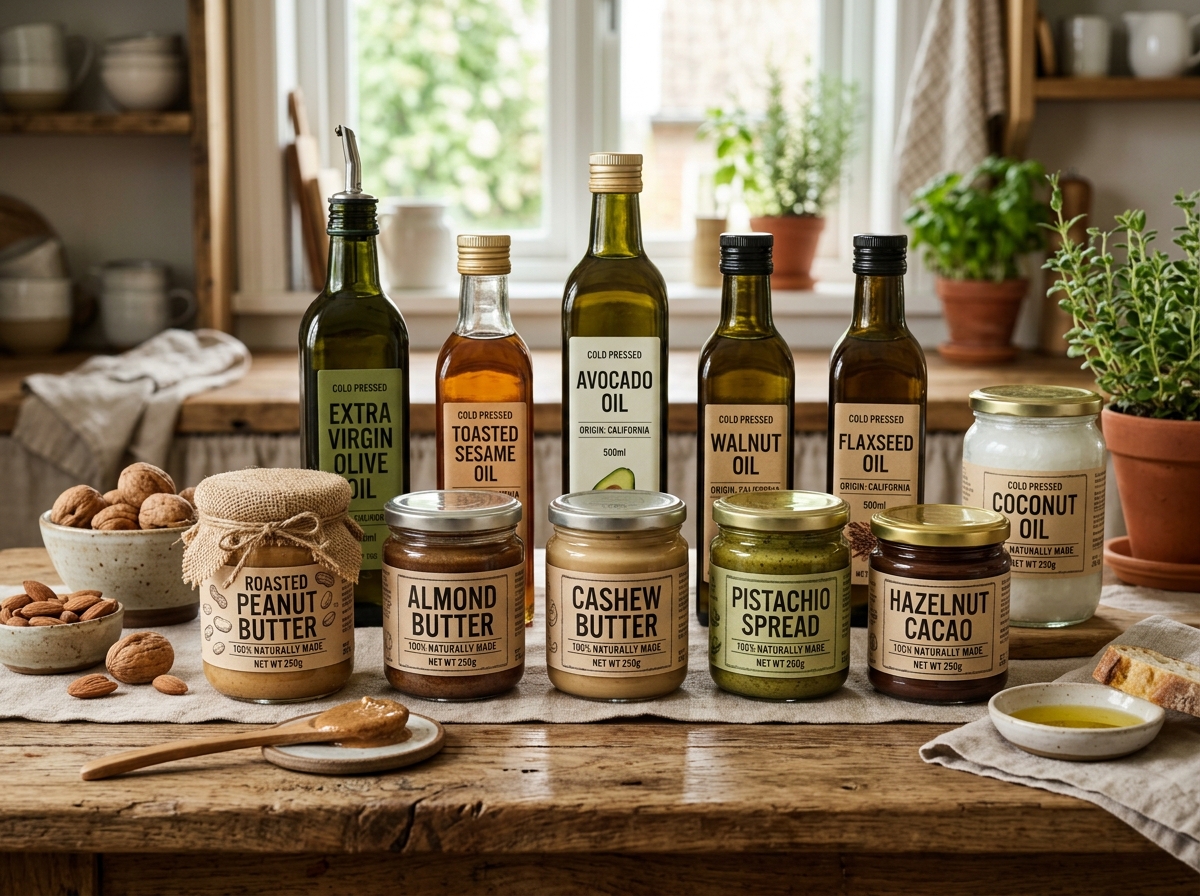
When we talk about “superfoods” in the context of weight gain, we aren’t just talking about antioxidants. We’re talking about energy. Here are the staples we always keep in our pantry for high calorie vegan meal prep:
- Avocados: These are a vegan gainer’s best friend. One medium avocado boasts about 322 calories and nearly 30 grams of healthy fats. They are incredibly versatile, working in everything from breakfast toast to chocolate puddings.
- Nut Butters: Peanut, almond, and cashew butters are liquid gold. A single tablespoon contains just under 100 calories. If you add two tablespoons to your morning oatmeal and another two to a snack, you’ve added nearly 400 calories almost effortlessly.
- Coconut Milk: We’re talking about the full-fat canned variety. A single can of full-fat coconut milk contains around 600 calories. It’s perfect for adding to curries, soups, or even smoothies for a massive caloric boost.
- Quinoa: While most grains are great, quinoa is a standout. One cooked cup (185 grams) holds about 222 calories and 8 grams of protein. Plus, it’s a complete protein, meaning it contains all nine essential amino acids.
- Tahini: This sesame seed paste is a staple in Mediterranean cooking and is incredibly calorie-dense. With about 89 calories per tablespoon, it makes for a rich, creamy dressing that can turn a light salad into a heavy-duty meal.
Balancing Macros for Muscle and Weight Gain
While calories are the most important factor for weight gain, the source of those calories matters for how you feel and how your body changes. For healthy weight gain and muscle hypertrophy, we need a balanced macronutrient profile.
Fats are our secret weapon because they contain more than twice the amount of calories per gram as carbohydrates or protein. If you’re struggling to eat enough volume, increasing your fat intake is the easiest “hack.”
| Macronutrient | Calories Per Gram | Role in Vegan Weight Gain |
|---|---|---|
| Fats | 9 | Provides concentrated energy and supports hormone health. |
| Carbohydrates | 4 | Primary fuel source for workouts and brain function. |
| Protein | 4 | Essential for muscle repair and growth (aim for 0.7g/lb). |
To maximize muscle growth, we should aim for approximately 0.7 grams of protein per pound of body weight daily. In a 3,000-calorie plan, this might look like 180–200 grams of protein. While that sounds high for a vegan, when you eat more calories, you naturally eat more protein. Grains, legumes, and even vegetables contribute to your total daily tally.
Practical Strategies to Boost Your Daily Intake
The “secret sauce” of high calorie vegan meal prep isn’t just what you eat, but how you prepare it. If we simply try to eat bigger bowls of salad, we’ll likely end up bloated and frustrated. Instead, we use strategic kitchen habits to “hide” calories in our meals.
One of our favorite tricks is the “What else can I add?” mindset. Before closing a meal prep container, ask yourself if you can drizzle a tablespoon of olive oil (119 calories), sprinkle a tablespoon of hemp seeds (55 calories), or add a dollop of hummus. These small additions don’t significantly increase the volume of the meal, but they can easily add 200 calories to every container.
For more on how to streamline this process, see our healthy-meal-prep-strategies-for-busy-adults and learn to master-batch-cooking-with-these-beginner-friendly-tips.
High Calorie Vegan Meal Prep for Breakfast and Snacks
Breakfast is often where people fail to eat enough. A bowl of fruit is lovely, but it won’t help you bulk up. Instead, we focus on liquid nutrition and dense grains.
- The “Mega” Smoothie: Smoothies are the ultimate way to consume calories without feeling overly full. A chocolate peanut butter smoothie made with frozen bananas, soy milk, peanut butter, flax seeds, and vegan protein powder can easily exceed 800 calories. Some “hardgainer” recipes even pack over 2,265 calories in a single large blender jar!
- Energy Balls: These are perfect for prepping on a Sunday. Mix oats, nut butter, dates, and seeds, then roll them into balls. Each one can be 200–250 calories, making them the perfect “gap filler” between meals.
- Loaded Toast: Use sprouted grain bread and top it with avocado and hemp seeds, or thick layers of almond butter and sliced bananas.
If you’re new to the vegan morning routine, check out our guides on easy-vegan-breakfast-for-beginners and easy-vegan-breakfast-for-beginners-2 for inspiration that you can easily scale up for higher calories.
Mastering High Calorie Vegan Meal Prep for Lunch and Dinner
For our main meals, we want to focus on “one-bowl” wonders that combine all our macros. These are easy to batch cook and reheat well.
- Burrito Bowls: These are a meal prep staple for a reason. Start with a base of rice or quinoa, add black beans or pinto beans, and then load up on the high-calorie extras. We’re talking about a generous portion of guacamole, vegan cheese, and a cashew-based lime crema. A well-built Vegan High-Protein Burrito Bowl can easily hit 600–800 calories.
- Pasta Bakes: Pasta is naturally calorie-dense. When you use a chickpea-based pasta and a sauce made from blended cashews or full-fat coconut milk, the calories skyrocket. Adding “meat” substitutes like tempeh or seitan further boosts the protein content.
- Lentil Stews and Curries: These are fantastic for cold weather. Using red lentils ensures a creamy texture, and by cooking them in coconut milk rather than just water, you significantly increase the energy density.
- Nourish Bowls: These are balanced and satisfying. We love this Nourish Bowl Vegan Meal Prep which features sweet potatoes and black beans. To make it “high calorie,” simply double the dressing and add an extra half an avocado.
Other excellent options for your weekly rotation include a Black Bean Burrito – PlantYou, a Chickpea Buddha Bowl, or these High Protein Vegan Burrito Bowl Recipe – Vegan Meal Prep Sunday. For those who love a “meaty” texture, try using soy curls or seitan in a Cozy High-Protein Meal Prep (Vegan!) — STEAMY VEGAN.
Efficient Kitchen Habits and Time-Saving Tips
We know that life gets busy. The key to maintaining a high-calorie diet is ensuring that you never have to “think” about what to eat when you’re hungry. If the food isn’t ready, you’ll likely grab a low-calorie snack or skip the meal entirely.
Efficiency in the kitchen starts with the right tools. We highly recommend using glass containers for storage. They are microwave-safe, don’t leach chemicals, and allow you to see exactly what you have left in the fridge. For more on this, read our simple-meal-prep-containers-tips.
Another tip is multitasking. While your quinoa is boiling on the stove, your sweet potatoes can be roasting in the oven, and your cashews can be soaking for a sauce. By grouping these tasks, you can finish a week’s worth of high calorie vegan meal prep in under 90 minutes. Setting a schedule is vital, so take a look at our creating-a-simple-meal-prep-schedule-a-beginners-guide to find a rhythm that works for you.
Scaling Recipes for Maximum Caloric Impact
One of the easiest ways to increase your intake is to simply scale up the portions of your existing favorites. If a recipe calls for half a cup of rice, make it a full cup.
However, scaling isn’t just about quantity; it’s about quality swaps.
- Swap water for vegetable broth or coconut milk when cooking grains.
- Swap fresh fruit for dried fruit (which is 3–5 times more calorie-dense).
- Swap light dressings for tahini or nut-butter-based sauces.
By making these small adjustments, you can turn a 500-calorie meal into an 800-calorie meal without significantly increasing the amount of food you have to chew. Check out our easy-weekly-meal-prep-ideas for more ways to keep your menu exciting while hitting those numbers.
Avoiding Common Pitfalls and Managing Digestion
Gaining weight as a vegan can sometimes lead to a “fiber overload.” Because whole plant foods are so high in fiber, your digestive system might struggle to keep up as you increase your intake. This often results in bloating or feeling “too full” to eat your next meal.
To avoid this, we recommend a gradual increase. Don’t try to jump from 2,000 to 3,000 calories in one day. Add 200–300 calories every few days to let your gut microbiome adjust.
Another pitfall is relying too heavily on processed “junk” vegan food. While Oreos and vegan donuts are high in calories, they lack the nutrients needed for healthy weight gain and can lead to energy crashes. We want to focus on “whole food” calorie sources like nuts, seeds, and healthy oils.
Preventing Digestive Discomfort During Bulking
If you do experience discomfort, here are a few strategies we find helpful:
- Hydration: Fiber needs water to move through your system. If you’re eating more, you must drink more.
- Low-Fiber Swaps: If you’re really struggling with bloating, swap some of your whole grains (like brown rice) for white rice or sourdough bread occasionally. These are easier to digest and still provide the calories you need.
- Probiotics: Incorporating fermented foods like kimchi, sauerkraut, or vegan yogurt can support gut health.
- Mindful Eating: Don’t rush your meals. Chewing thoroughly is the first step of digestion and can significantly reduce gas and bloating.
Frequently Asked Questions about Vegan Weight Gain
How can I increase calories without feeling too full?
The best way is to focus on “liquid calories” and “low-volume” foods. Smoothies are excellent because the blending process essentially “pre-digests” the food, allowing it to leave the stomach faster. Additionally, adding fats (oils, nut butters) increases calories without adding much physical bulk to the meal. Eating 5–6 smaller meals throughout the day instead of 3 large ones can also help.
What are the best high-calorie vegan vegetables?
While most veggies are low-calorie, some are much denser than others. Avocados are the king (322 cal/fruit). Starchy vegetables like sweet potatoes (180 cal/cup), plantains, parsnips, and green peas are also excellent choices. Even coconut meat is very high in calories (283 cal/cup).
Does exercise play a role in high-calorie meal prepping?
Absolutely! If you eat in a surplus without exercising, most of the weight gain will be fat. If you combine your high calorie vegan meal prep with strength training, you provide the stimulus needed for your body to use those extra calories to build muscle tissue. Exercise also naturally stimulates the appetite, making it easier to hit your daily caloric goals.
Conclusion
Mastering high calorie vegan meal prep is a journey of consistency and strategy. It’s about more than just eating “more”—it’s about eating smarter. By prioritizing healthy fats, utilizing liquid nutrition, and prepping your meals in advance, you can reach your weight and muscle goals while staying true to your plant-based values.
At Finance Investly, we believe that investing in your health is the best long-term investment you can make. Whether you are an athlete looking to bulk up or someone simply trying to maintain a healthy weight on a vegan diet, these strategies will provide the foundation you need.
Ready to take the next step? Start your journey with our comprehensive meal prep tips and transform the way you fuel your body!
